
Energy storage and UPS for industrial plants
The problem
Voltage dips stop the process, and a restart costs a full shift.
What we install
Industrial UPS and storage at 400/690/800 V, peak shaving, surge compensation.
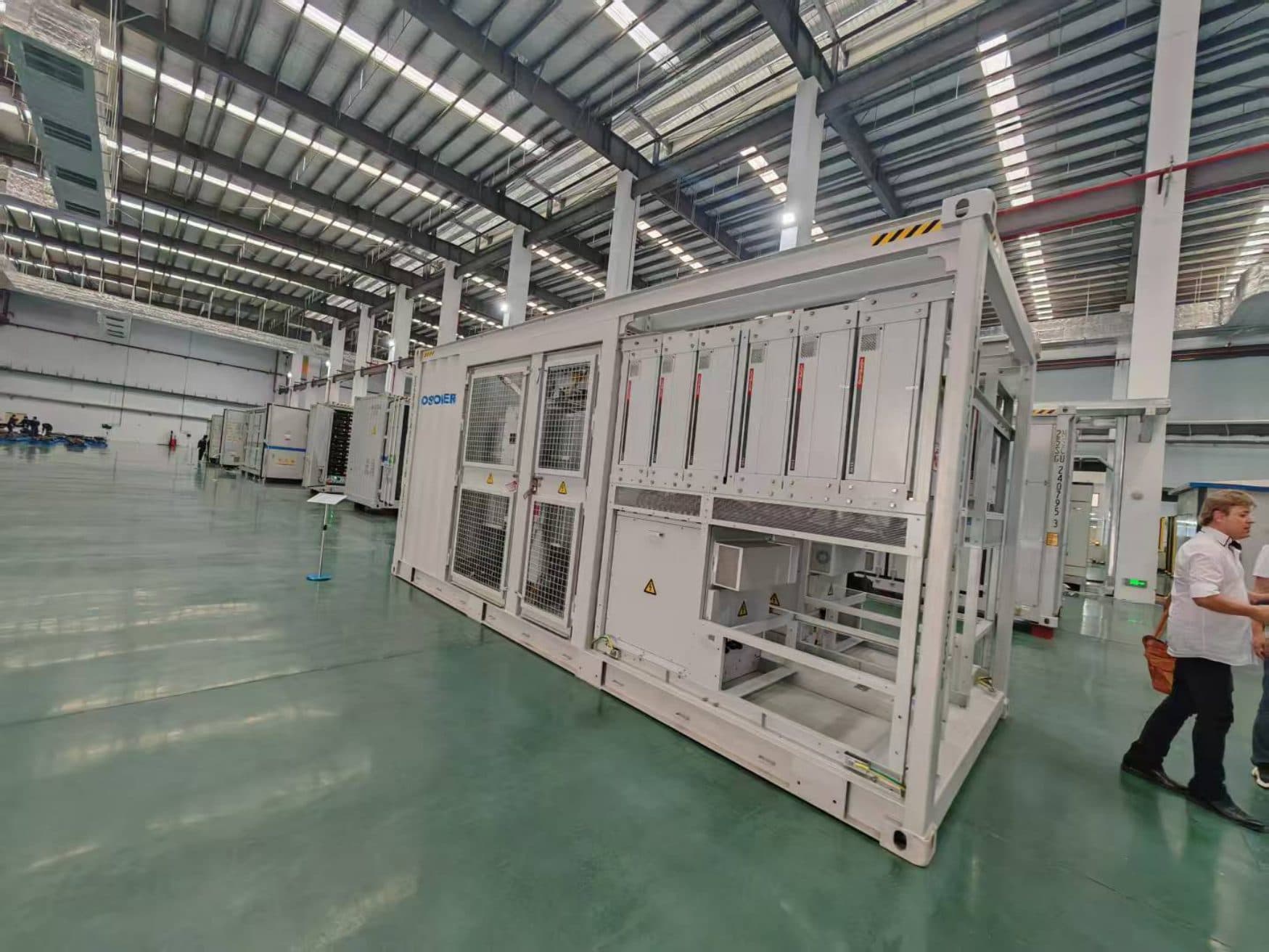
- Storage 420 kW / 835 kWh
- PCS 2.5–10 MW
- Cabinet storage 30–250 kWh
What drives the equipment selection
In continuous manufacturing the cost of a problem is measured in shifts, not in kilowatt-hours. A brief voltage dip drops a drive or a controller, and what follows is a line restart, scrapped work in progress and sometimes damaged equipment.
The second common task is hitting the ceiling of the connected capacity while expanding. Storage covers the starting peaks of new equipment so the connected capacity does not have to be increased — usually cheaper and always faster than a new grid connection.
The third is the demand charge. The storage system discharges during peak hours and lowers the recorded maximum. The effect is calculated from half-hourly profiles across a year.
What we need for a calculation
- Half-hourly consumption profiles for the last 12 months
- Tariff category and the structure of the demand charge
- List of critical loads and the cost of an hour of downtime
- Load growth plans and the cost of the alternative — a new grid connection
Suitable equipment
How we work
Engineering audit
We go through the specification and the site: load category, required autonomy, operating conditions, what is already installed.
Sizing and selection
We size the battery against the real discharge profile — not “with a margin, by eye”. You get 2–3 options with different economics.
Supply and commissioning
Delivery from stock or to order, installation, commissioning, training for your operations team.
Service and monitoring
Warranty and post-warranty service, remote condition monitoring, replacements scheduled on actual condition.
Frequently asked questions
Does storage replace a UPS?
It does not replace it — it solves a different problem. A UPS holds critical load when supply fails; storage works with the power profile and power quality. Sites often need both, and their control logic is coordinated.
What does storage give when running on on-site generation?
It lets the engines stay in their efficient band and absorbs surges within fractions of a second while generation ramps up. That cuts fuel consumption and wear.
Site energy audit — free of charge
Send us the data from the checklist above — we will return a calculation with layout options, dimensions and site requirements. Usually 3–10 working days.
Direct line
Call or write — an engineer will answer
Send a single-line diagram or a list of loads — we will tell you what must not go dark and how to cover it.