
48–512 V · 2.4–153.6 kWh
Lithium batteries for UPS and DC power systems
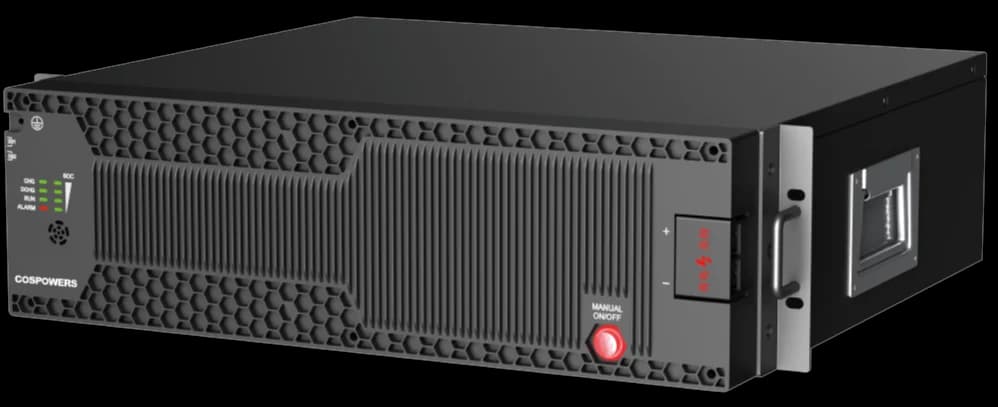
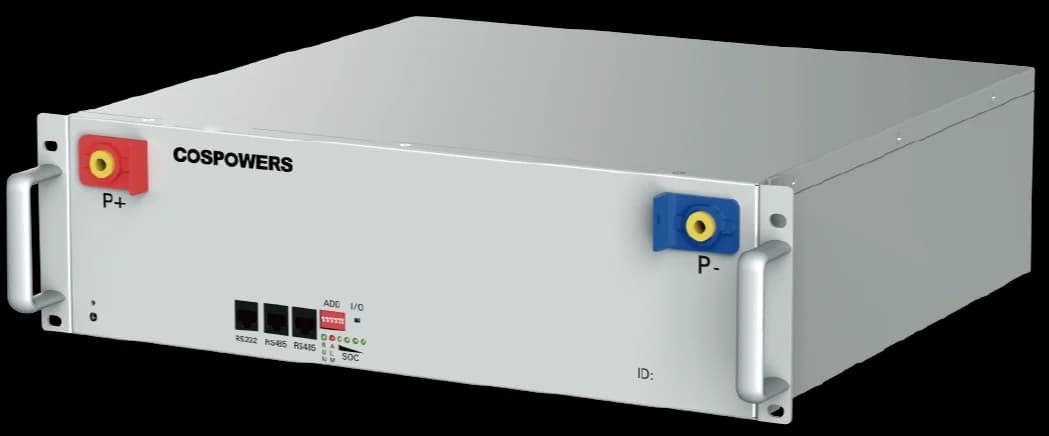
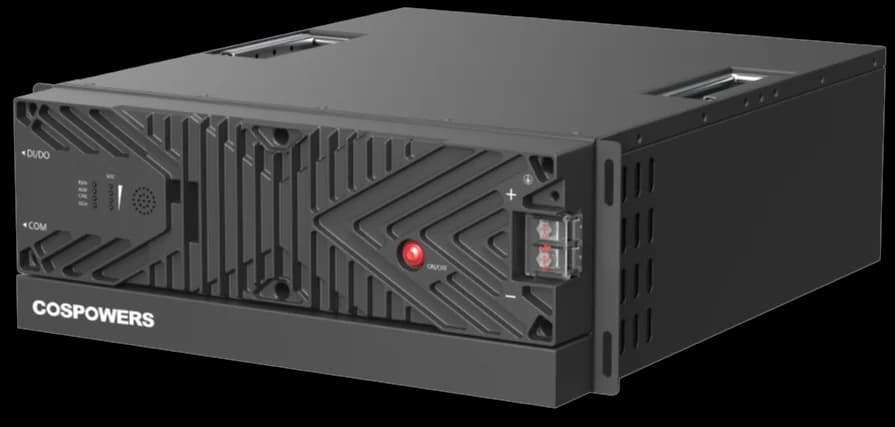
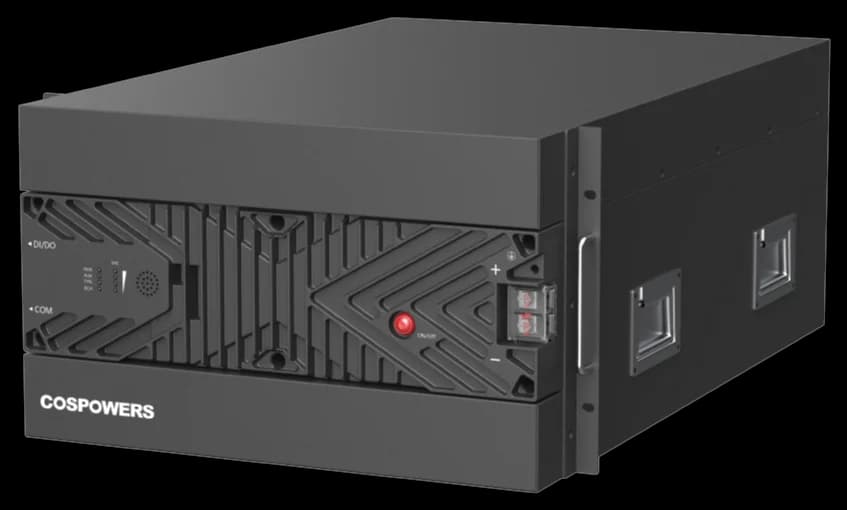
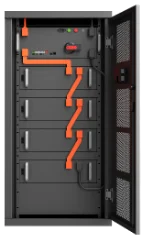
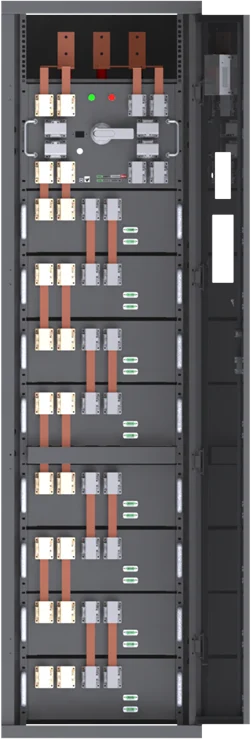
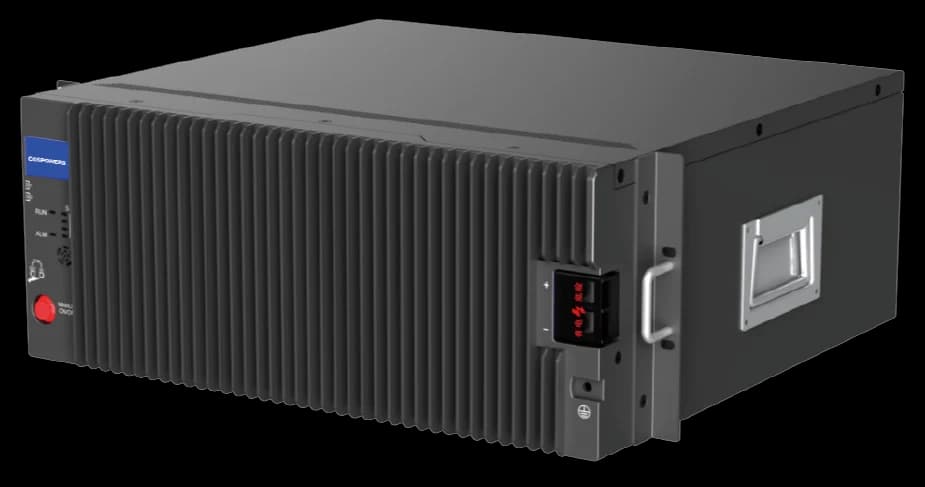
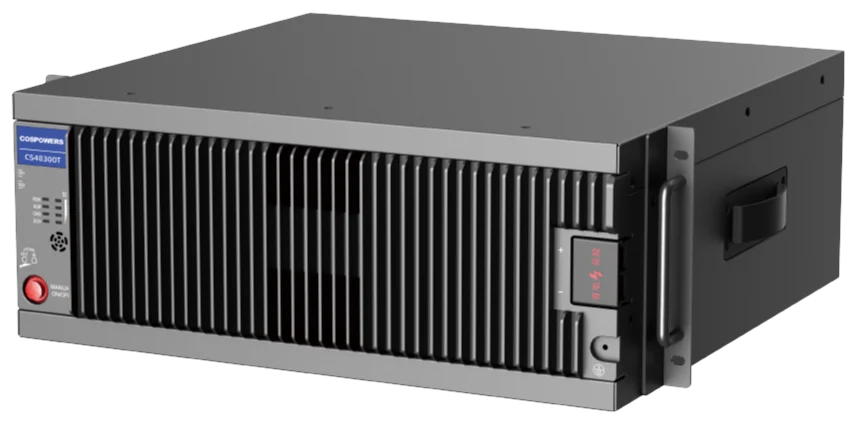
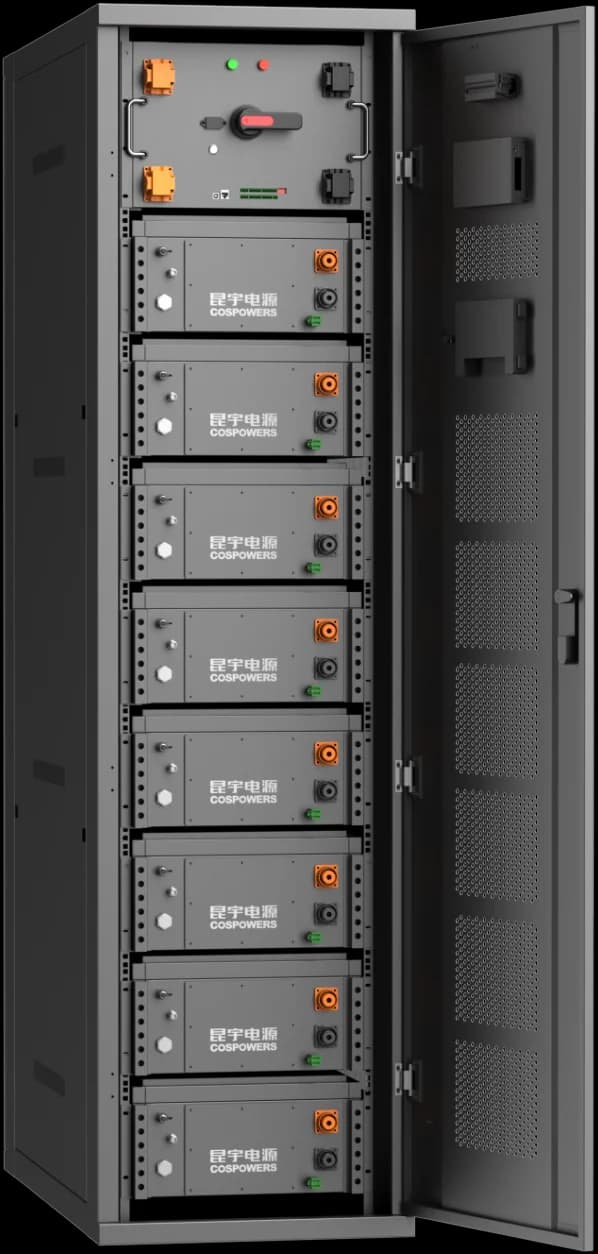
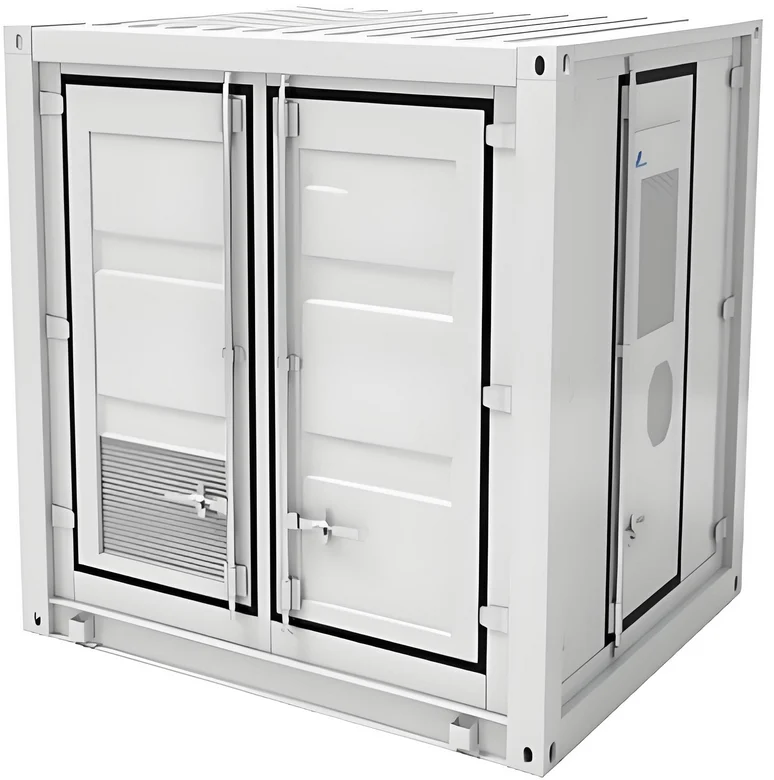
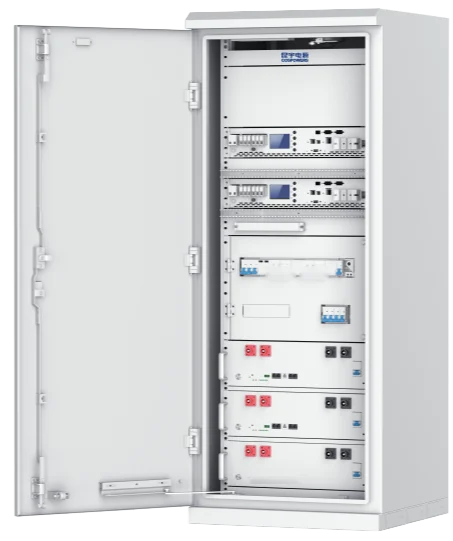
Battery cabinets and rack modules for uninterruptible power supplies, 48 V and 220 V DC systems, telecom and data centres. Air and liquid cooling, discharge rates from 2C to 6C.
32 catalogue items in stock and to order
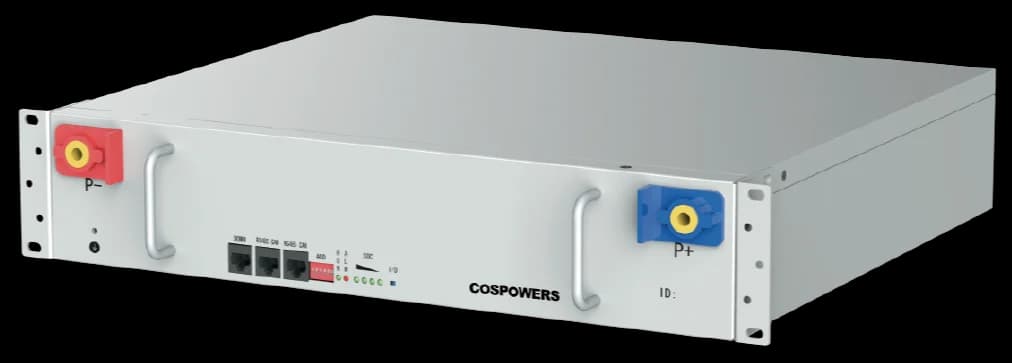
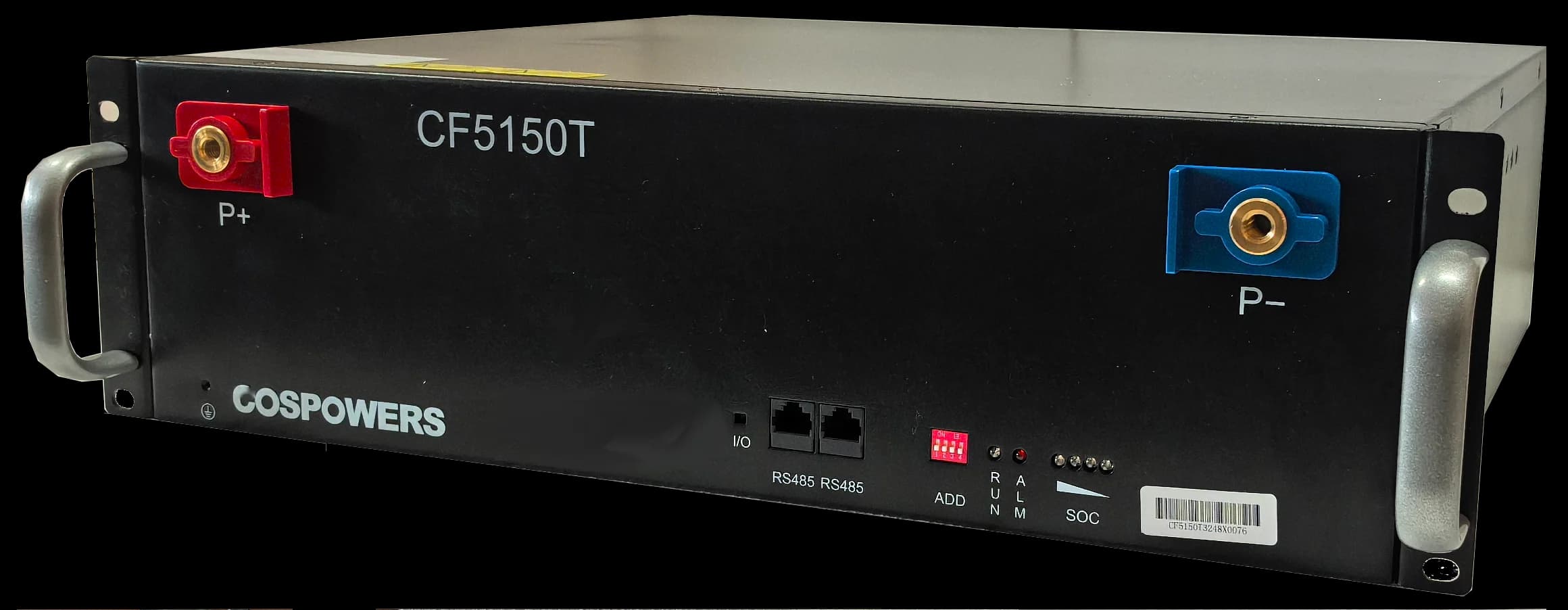
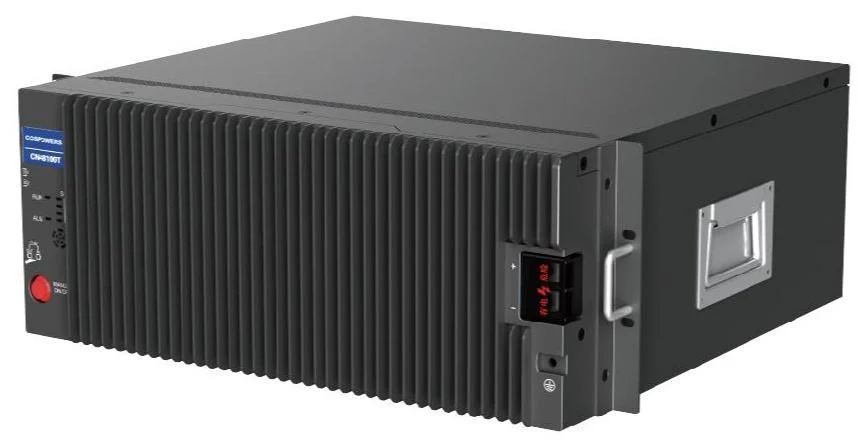
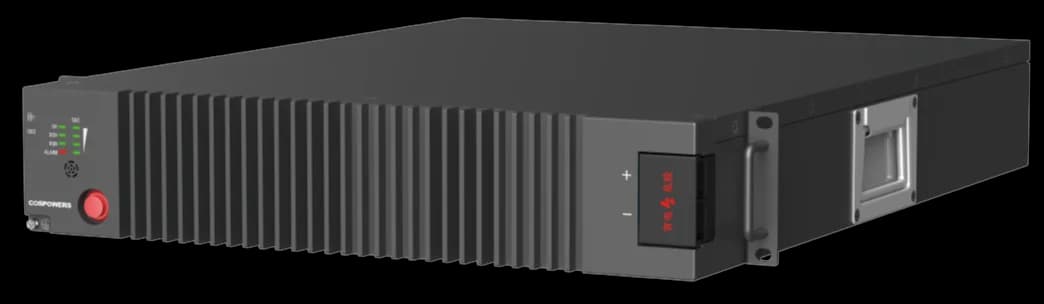
What matters before you select
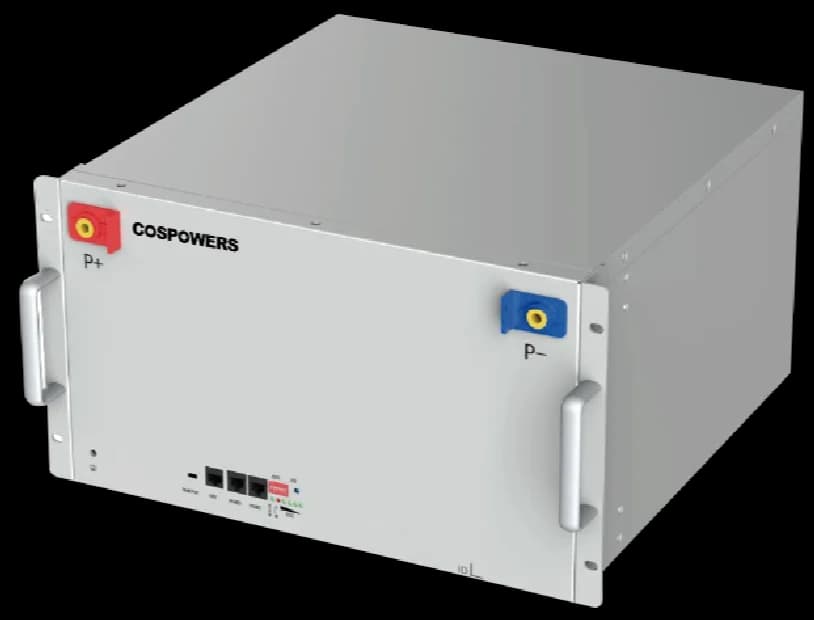
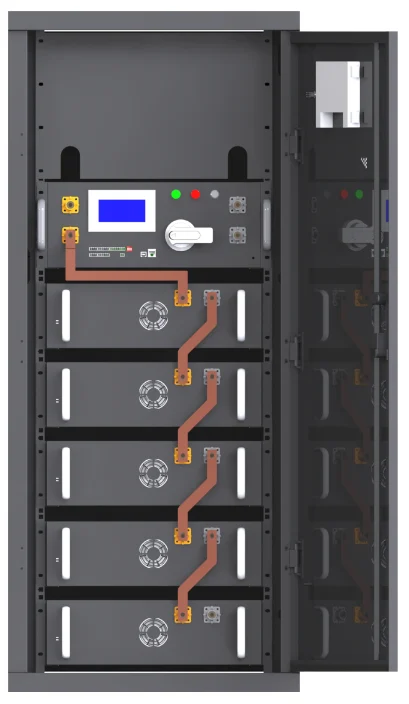
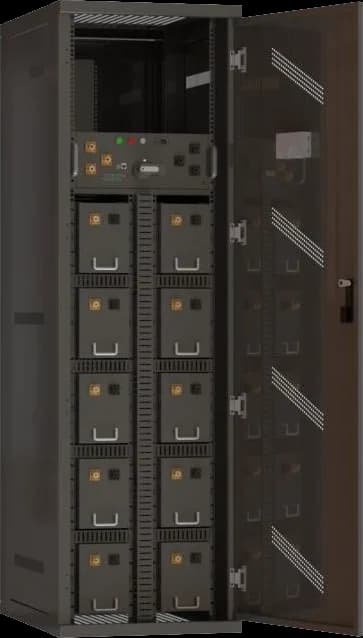
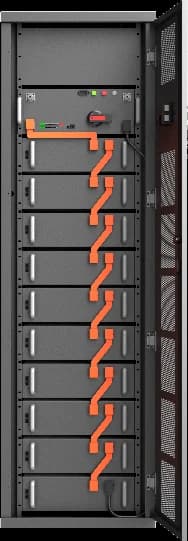
A lithium-iron-phosphate battery (LiFePO₄) replaces a lead string in a UPS or a DC auxiliary system at a fraction of the weight and footprint. Design life of the catalogue items is 15 years (up to 20 years for liquid-cooled models), charging is faster, and the demands on ventilation and on the room itself are lower than with lead.
The decisive parameter is not capacity in amp-hours but the discharge profile. In a data-centre UPS, where the battery runs for 7–20 minutes until the gensets take over, high-rate 5–6C designs are used: they deliver 600–1500 A at moderate capacity. For long-duration backup and DC systems, standard 2C designs are the right choice. Getting this step wrong means either paying for kilowatt-hours you never use or a voltage sag under load.
Sodium-ion designs are chosen where lithium works at its limit: a wider temperature range, tolerance of deep discharge, sites without heating. We match the chemistry to the operating conditions rather than the other way round.
Frequently asked questions
Can a lithium battery replace a lead one in an existing UPS?
In most cases yes, but it has to be checked: the UPS must handle the LiFePO₄ charge profile and accept BMS signals, and the battery bus voltage must fall inside the permitted range. We verify compatibility against the UPS datasheet before supply and, where needed, select a design with a matching module.
How long does a lithium battery for a UPS last?
Design life of the catalogue items is 15 years under normal temperature conditions, and up to 20 years for liquid-cooled designs. Actual life is driven by the number and depth of cycles and by temperature: in a UPS, where the battery discharges a few times a year, calendar ageing becomes the limiting factor.
How does a high-rate battery (5–6C) differ from a standard one (2C)?
By discharge rate. A 6C battery delivers up to six times its rated capacity per hour, which is what short high-power discharges in a UPS require. A standard 2C battery is cheaper per kilowatt-hour and is designed for long discharges. The choice follows the load profile.
Is a dedicated room with ventilation required?
LiFePO₄ does not release hydrogen, so a separate battery room with forced ventilation is not required — unlike with lead strings. Fire-safety and operating-temperature requirements still apply and are checked during the site audit.
We will size it for the task
Send a single-line diagram or a list of loads with the required duration — we will return a calculation with layout options, dimensions and requirements for the room.
Direct line
Call or write — an engineer will answer
Send the load and the required autonomy — we will size the battery and return a calculation.